Hopkins Marine Station of Stanford University
Categories
Education & Schools
About
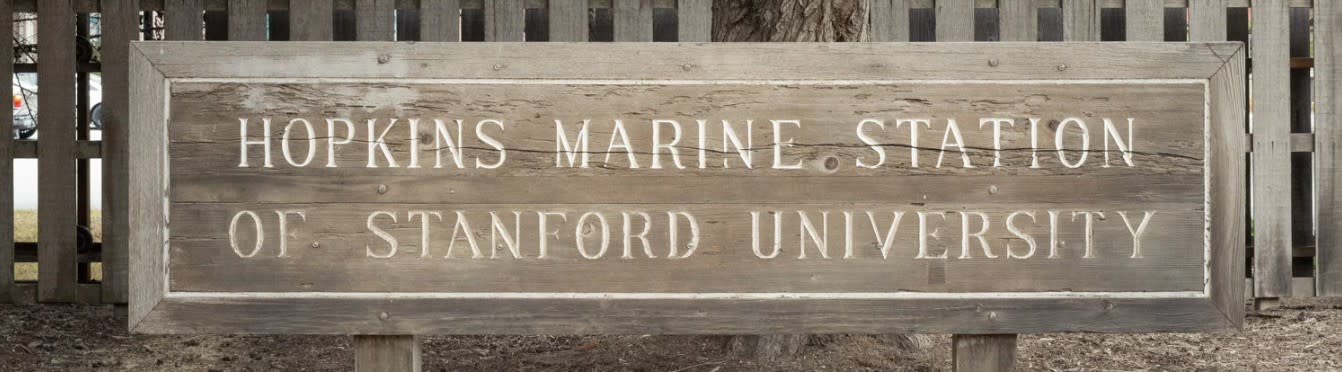
Hopkins Marine Station is Stanford University’s historic marine science research center located in Pacific Grove, California, on the edge of Monterey Bay. Founded in 1892, it is one of the oldest marine laboratories in the United States and the oldest on the West Coast, with more than a century of inquiry into the biology, ecology, and conservation of ocean life. The Station occupies an 11-acre campus that overlooks the bay and lies adjacent to the Monterey Bay National Marine Sanctuary, providing immediate access to a rich diversity of marine habitats for study and observation.
Hopkins Marine Station serves as a vibrant hub for research, education, and outreach. Faculty, graduate students, and postdoctoral scholars across disciplines—including biology, oceans, and sustainability—conduct cutting-edge research on topics ranging from organismal physiology and biomechanics to evolution, ecology, and environmental change. Undergraduates also have opportunities to engage in hands-on learning and research, either through courses or immersive quarter-long experiences at the station, applying classroom knowledge directly to the living laboratory of the ocean. The Station’s work extends from DNA-level investigations to broader ecosystem studies, helping to deepen scientific understanding of marine biodiversity and address pressing global challenges such as climate change and plastic pollution.
Recent investments in advanced facilities, such as a new molecular and cellular imaging center, further enhance Hopkins’ capacity to explore foundational biological questions using state-of-the-art technology right on the shore of one of the world’s most dynamic marine ecosystems.